
Keto World
What to Eat on the Keto Diet: A Guide to Healthy Choices
The ketogenic (keto) diet has become a popular approach for weight loss and health improvement, but making sure you’re eating the right foods is essential for staying healthy while on this low-carb, high-fat regimen. A common concern with keto is the potential lack of fiber and certain nutrients like B vitamins, as many traditional sources of these nutrients—such as whole grains, fruits, and legumes—are high in carbohydrates and therefore avoided. However, with careful planning, you can still meet your nutritional needs while staying within your carb limits.
Below, we’ll explore some of the healthiest foods you can incorporate into your keto diet, along with the benefits they offer.
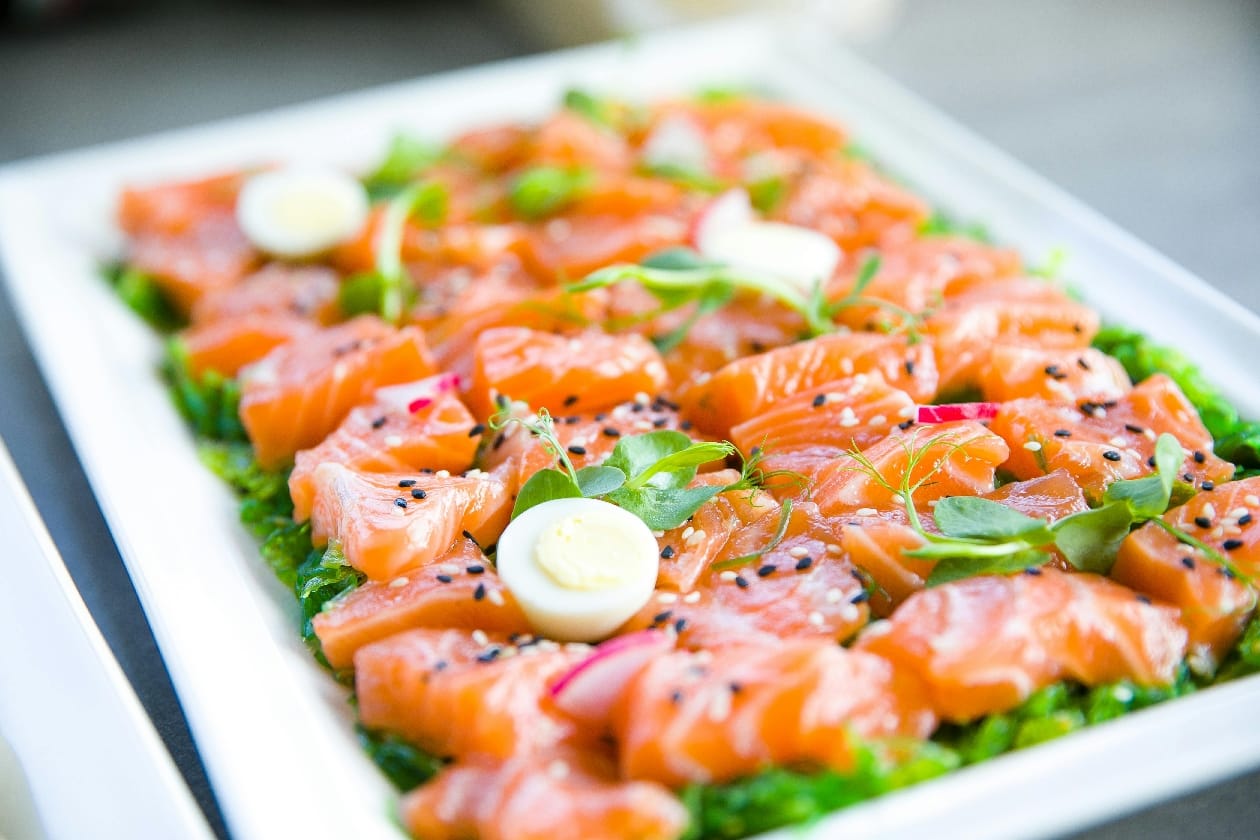
1. Fish and Seafood
Seafood, especially fish rich in omega-3 fatty acids like salmon, mackerel, and sardines, is a fantastic option for keto. These are nutrient-dense and provide essential fats, particularly omega-3s, which are known for promoting heart health and reducing inflammation. Additionally, most types of fish contain no carbs, making them ideal for this diet. Shrimp, crab, and lobster are also great low-carb protein sources that fit into a keto lifestyle.
Nutritional Information (per 3 oz serving):
Salmon: 0g carbs, 4g fat, 17g protein
Flounder: 0g carbs, 2g fat, 11g protein
Lobster: 0g carbs, 1g fat, 14g protein
2. Meat and Poultry
Meat and poultry are staples of the keto diet. They provide high-quality protein and fats with minimal to no carbohydrates. While red meat and poultry are perfectly keto-friendly, it’s important to eat them in moderation and balance them with other nutrient-rich foods to avoid potential health risks such as heart disease or excess inflammation. Choose grass-fed beef and free-range poultry whenever possible, as they tend to have higher levels of omega-3 fats and lower levels of inflammatory omega-6s.
Nutritional Information (per 3.5 oz serving):
Turkey: 0g carbs, 12g fat, 27g protein
Chicken: 0g carbs, 3g fat, 32g protein
Sausages: 2g carbs, 26g fat, 18g protein
3. Low-Carb Vegetables
Eggs are a perfect keto food. They’re low in carbs, rich in protein, and packed with healthy fats. Whole eggs are especially important on keto because the yolks contain vital nutrients like B12, vitamin D, and choline, which are crucial for brain health and metabolism.
With only about 1 gram of carbs per two eggs, they’re easy to incorporate into various keto-friendly meals such as omelets, frittatas, or simply boiled for a quick snack.
Nutritional breakdown of two eggs:
Zucchini: 3g carbs, 1g fiber, 0g fat, 3g protein
Cauliflower: 4g carbs, 2g fiber, 0g fat, 2g protein
Broccoli: 6g carbs, 2g fiber, 0g fat, 3g protein
4. Avocados
Avocados are a nutritional powerhouse on the keto diet. High in healthy fats and fiber, a single avocado contains minimal net carbs while providing a good dose of potassium, a mineral that can help offset the electrolyte imbalances that often occur when starting keto. Avocados also help reduce “bad” cholesterol levels, promoting heart health.
Nutritional Information (per whole avocado):
17g carbs, 14g fiber, 30g fat, 3g protein
5. Berries
Most fruits are high in carbs and don’t fit well into a keto lifestyle, but berries are an exception. Strawberries, blackberries, and raspberries are relatively low in carbohydrates and contain high levels of antioxidants, which are beneficial for overall health and reducing inflammation.
Nutritional Information (per 3.5 oz serving):
Strawberries: 8g carbs, 2g fiber, 0g fat, 1g protein
Blackberries: 10g carbs, 5g fiber, 0g fat, 1g protein
Raspberries: 12g carbs, 7g fiber, 0g fat, 1g protein
6. Nuts and Seeds
Nuts and seeds are excellent snack options that are rich in healthy fats, fiber, and various essential nutrients. Some of the best low-carb choices include almonds, walnuts, chia seeds, and pumpkin seeds. These also provide important minerals like magnesium and zinc, which are crucial for overall health and can help alleviate symptoms like muscle cramps, which are common when first starting keto.
Nutritional Information (per 1 oz serving):
Pumpkin seeds: 3g carbs, 2g fiber, 14g fat, 9g protein
Almonds: 6g carbs, 4g fiber, 14g fat, 6g protein
Chia seeds: 12g carbs, 11g fiber, 9g fat, 5g protein
7. Eggs
Eggs are a versatile, affordable, and nutritious option on the keto diet. They’re packed with high-quality protein and healthy fats while being very low in carbohydrates. Eggs are also rich in vitamins and minerals, including choline, which is important for brain health. Recent research suggests that eggs can be part of a heart-healthy diet when consumed in moderation.
Nutritional Information (per large egg):
1g carbs, 5g fat, 6g protein
8. High-Fat Dairy
Full-fat dairy products, like cheese, cream, and butter, can be great additions to a keto diet. They provide a good balance of fats and protein while being relatively low in carbs. However, some studies suggest that large quantities of animal-based fats may not be ideal for long-term health. It’s a good idea to balance dairy consumption with plant-based sources of fats.
9. Oils and Healthy Fats
Healthy oils are an essential part of the keto diet. Olive oil, avocado oil, and coconut oil are fantastic sources of healthy fats and can be used in cooking or added to salads. Olive oil, in particular, is well-known for its heart-protective benefits and can be a great foundation for a healthy keto lifestyle. Choose high-quality, cold-pressed oils for the best nutritional benefits.
10. Dark Chocolate
If you’re craving something sweet, dark chocolate with a high cocoa content (70% or higher) is keto-friendly in moderation. It’s rich in antioxidants, such as flavonoids, which have been linked to improved heart health. However, it’s important to keep portion sizes small to avoid exceeding your daily carb limit.
Nutritional Information (per 3.5 oz serving of 70% dark chocolate):
43g carbs, 7g fiber, 47g fat, 7g protein
11. Beverages: Coffee and Tea
Plain coffee and tea are great beverages to enjoy on keto, as they are naturally carb-free. Both caffeinated and decaffeinated versions have been linked to various health benefits, such as improved brain function and a reduced risk of certain diseases. For an extra boost of healthy fats, try adding a spoonful of coconut oil or butter to your coffee—a popular trend known as "bulletproof coffee."
Key Takeaways
Maintaining a healthy keto diet requires careful food selection to ensure you're getting enough fiber and nutrients while keeping carb intake low. Focus on low-carb vegetables, healthy fats, and high-quality protein sources, and don’t forget to incorporate fiber-rich foods like nuts, seeds, and avocados to support gut health. While the keto diet can promote weight loss and other health benefits, it’s essential to monitor how your body responds and adjust your food choices accordingly. The key to success on keto is balance—both in the variety of foods you eat and in ensuring you’re meeting your nutritional needs.

Subscribe now.
Join our email list for early access to delicious Keto recipes delivered to your inbox. Plus, receive 3 FREE Ebooks with numerous easy-to-follow Keto recipes as a bonus. Sign up now!